The direction of this article is heavily influenced by the work of Jake Kotze at The Brave New World Order and The Blob. If you are not already familiar with the "9-11 Mega Ritual," then please view some of Jake's videos here. (I advise starting with the older videos first) In his videos, Jake uses the ego-free, expanded consciousness method of reasearch called Synchromysticism. From The Cryptic Cosmology of Synchromysticism:
Jake Kotze in August of 2006 for an article posted on his website Brave New World Order, who defined it as: "The art of realizing meaningful coincidence in the seemingly mundane with mystical or esoteric significance."Many threads of reality have been connected in Jake's work, all centered around the World Trade Center and 9-11. This is not a "conspiracy theory" about whodunit, it's an excercise in peeking behind the veil of Maya. This event was the most consciousness-impacting event in world history. At no time in history had there been so many conscious individuals, with so many ways to communicate and connect, during a mega event which shaped the future for every person on the planet. Previous mega-ritual or consciousness focusing events may have been the sinking of Atlantis, the fall of the Tower of Babel, the Great Flood, and the destruction of Solomons Temple. More recent events include the World Wars, the first detonation of an atomic bomb in a populated region, and the assassination of J.F.K. But at no time had there been such a connection, a meta-mind of people, than when the World Trade towers collapsed. If you suscribe to theories of the universe involving non-locality, such as the holographic model, then you can accept that such an event would have reverberations into the past as well as the future.
"My idea about the significance of meaningful coincidences in movies with mystical connotation is not that it points towards real truths, but that they point towards possible realities that might emerge from the collective psyche into consensus reality."
The Twin Towers of the World Trade complex, as well as surrounding architecture, are the nexus of Jakes synchromystic investigations. The towers themselves have been linked, synchromystically, to other man-made wonders such as: The Pillars of Hermes, Pillars of Hercules, Pillars of Solomon's Temple, the Pyramids of Egypt, and the Tower of Babel. The creation and eventual destruction of these wonders seems to be an inevitable part of a repeating cycle on our planet. The ruin of each results in a shift of global consciousness.
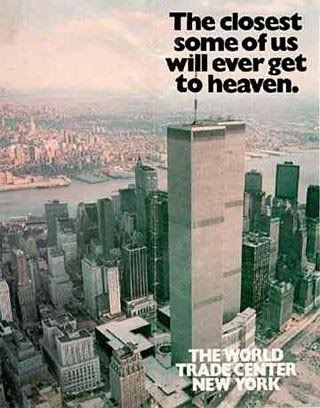
1984 ad for the World Trade Center
Jake Kotze:The "stargate" theme comes up in synchromysticism as a metaphor for an evolution of consciousness. The Stargate does actually manifest as an array of physical objects, or sometimes as representations of portals appearing in various media such as comic books and movies. These could be "water doors" such as the Stargate from the film and television show of the same name, or other objects with spiral or concentric patterns, as well as targets and cross-hairs and 6 or 8-sided geometry (double cubes and 'cuboids,' octagons, hexagons (these videos should clarify the connection). Water is an important element in the Stargate theme such as in the movie Constantine where it is described as a "universal-conduit" and is used by the main character to travel to the underworld/hell.
[Manhattan] was the setting of the 911 Mega Ritual the most vivid planetary consciousness focusing catalyst of all time and the metaphorical opening of the collective Stargate of mankind.
Another important element in the 9-11 Stargate theme is the connection with Aleister Crowley and the god Pan. Crowley is the great initiator of the coming new age and has served as the source of inspiration for countless occult practicioners and even musicians. Has has spawned or heavily influenced many occult orders and secret societies. Crowley also designed his own Tarot card's called the Thoth tarot deck, along with an explanatory text called The Book of Thoth. Additionaly, crowley wrote the laws of his Ordo Templi Orientis society in the book Oz: Liber 77. Crowley also wrote a "Hymn to Pan." In the videos I linked to, you can see that Crowley's sigil "Oz:77" for the goat god Pan appears in a remake of the Wizard of Oz, called The Whiz, and it is found directly between the Twin Towers where the Sphere sculpture and fountain used to be located. This resonates with the events of 9-11 as the President was reading about a pet goat at the same time that the location of the now Pan resonating World Trade Center was being attacked.
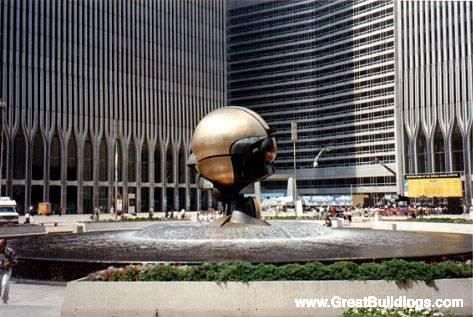
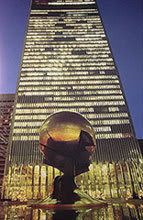
The Sphere sculpture at the WTC complex.
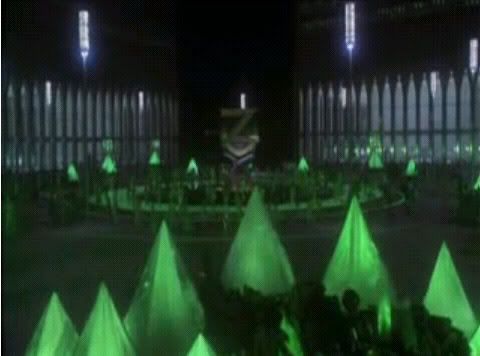
The Pan-Oz:77 sigil in place of the Sphere
I believe that the ancient Labyrinth can also be seen as a Stargate, and can be connected to the 9-11 Stargate through the movie Pan's Labyrinth. Pan, the goat or faun, has already been linked to the WTC via Crowley's Oz:77 symbol which replaces the Sphere in The Whiz; as well as being the subject of the children's book which President Bush "fiddled with" while "Rome burned."
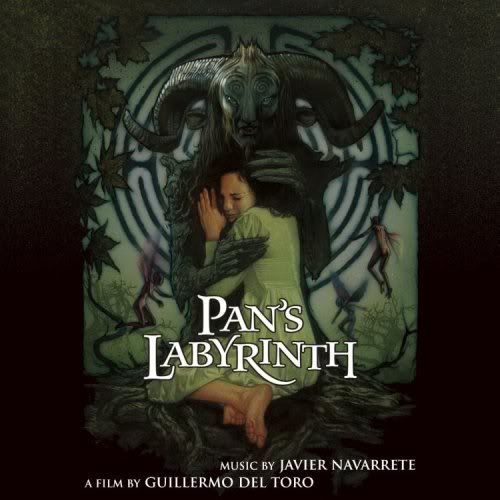
The Labyrinth is a winding, maze-like path, often resembling a spiral. Labyrinths are found in many ancient cultures, and almost always have spiritual significance. Nearly identical labrynth patterns are found in neolithic art, on native American petroglyphs, and even in ancient Vedic sites. Ancient Minoan labyrinths were associated with the cult of the mother Goddess, and were possibly used in intiatory rituals.
Labyrinth is a word of pre-Greek origin absorbed by classical Greek, and is apparently related to labrys, a word for the archaic iconic "double axe", with inthos connoting "place" (as in "Corinth"). The complex palace of Knossos in Crete is usually implicated, though the actual dancing-ground, depicted in frescoed patterns at Knossos, has not been found. Something was being shown to visitors as a labyrinth at Knossos in the 1st century AD.
Greek mythology did not recall, however, that in Crete there was a Lady who presided over the Labyrinth. A tablet inscribed in Linear B found at Knossos records a gift "to all the gods honey; to the mistress of the labyrinth honey." All the gods together receive as much honey as the Mistress of the Labyrinth alone. "She must have been a Creational Goddess."
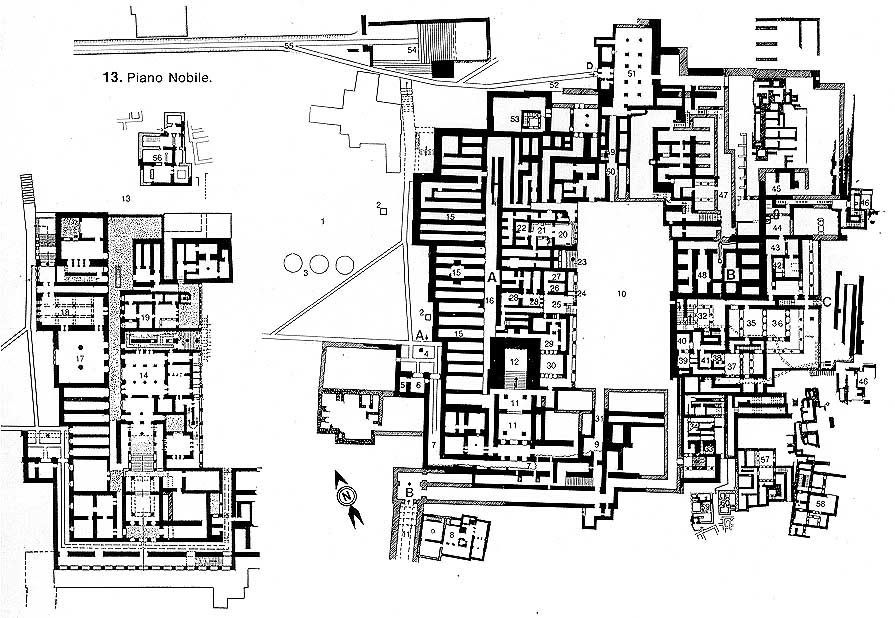
The Palace of Knossos,
the possible inspiration for the Labyrinth
The Labrys double-axe is a feminine lunar symbol, the word comes from Labus, or lips. And maze is related to mas meaning "exhausting labor." The Labyrinth is a Mother Earth symbol to the Hopi indians. The square form represents a spiritual re-birth into the next world, symbolized by The Emergence. The circular labyrinth represents the universal plan of the Creator which man must follow on his Road of Life. The four points/bends represent the four cardinal directions embraced within the universal plan of life.
The Labyrinth of Crete was often depicted as circular as seen here in this picture and Cretan coin:
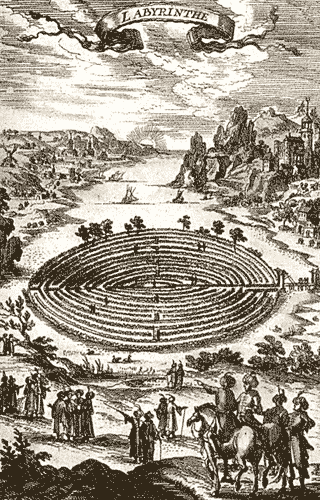
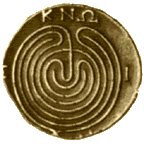
The above Cretan coin design is the very same ancient labyrinth design found all over the world. The same classic labyrinth design is found in the movie Pan's Labyrinth. The second picture below is of "the Faun" and "Ofelia." Ofelia plays the ever popular "virgin princess," which is very appropriate considering she is befriended by the ever horny god Pan in the form of a Faun. The same interaction between Pan and a young and therefor virgin princess can be seen in The Chronicles of Narnia where Mr. Tumlus befriends young Lucy. Pan is a notorious rapist, and most of his lady friends had to be turned into inanimate objects just to escape his advances. In Pan's Labyrinth, there exists a small version of the typical Labyrinth at the bottom of a spiral staircase in the center of a larger labyrinth or maze. In the center of the small circular and water-filled labyrinth is a stone pillar with a carving of the princess of the underworld holding a baby, with the Faun in the position of the apparent father of the child. The carving scares Ofelia, especially when the Faun tells her that she is the princess. The reason why I bring this up, or think it's worth mentioning, is that sex is an initiation for young girls into womanhood. It really begins a whole new life, while men usually have a separate initiatory ceremony before they are married. This only occurs today in more traditional societies, usually deep in the rainforest. While women today still wear viginal white to their wedding, it's usually not the case that they are still virgins. Reguardless, sex creates a profound change in the physiology and psychology of a child. Perhaps this is why so many sugar-loving lolitas are found both on initatory checkered-floors as well as sucking on spiral lollipops. (See these articles from The Blob: 1, 2, 3)
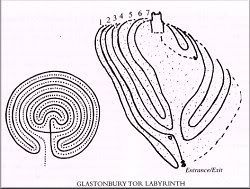
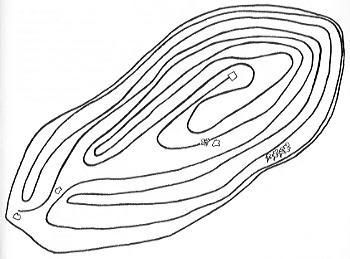
Here's some pic's of the Glastonbury Maze, which should help support the "fertility" theme, check out this site for more info.
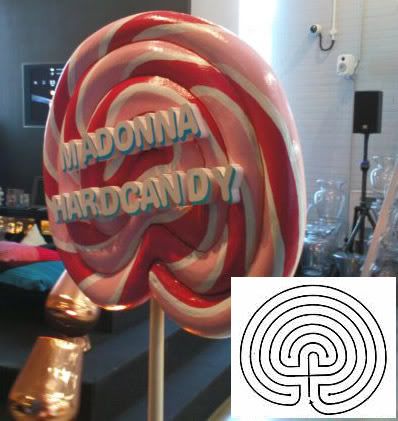
Madonna - Like a virgin-whore,
sharing the name "Hard Candy" with recent lolita movie.
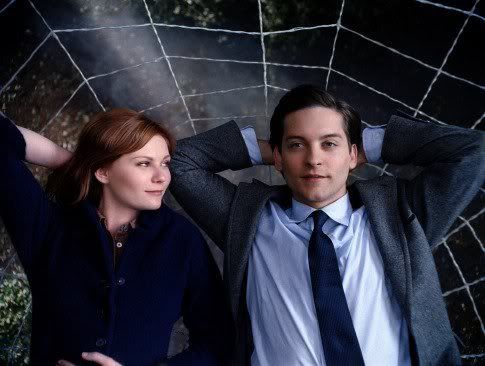
This idea was cemented recently when I saw the movie Dick on tv. It's a comedy about the Watergate coverup featuring Kirsten Dunst and Michelle Williams as the secret source "Deepthroat." At the end of the movie they lick circular lollipops with the word "DICK" on the front. It doesn't take much of an imagination there... Here is Kirsten Dunst in a Stargate resonating spiderweb:
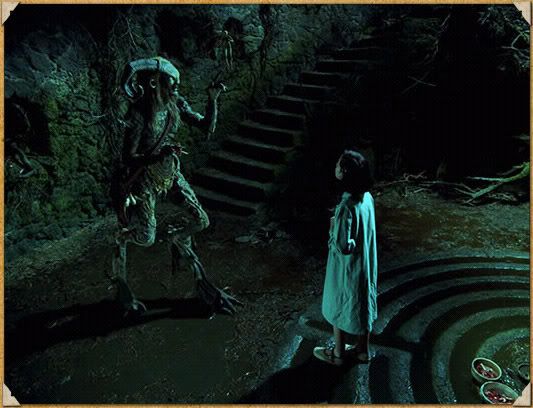
Ofelia is supposed to be the reincarnation of the daughter of the king of the Underworld. As a sign, she has a crescent moon birthmark on her left shoulder, and the moon is an important part of the movie. Ofelia retreats to her fantasy books, and it is possible that the fantastical parts of the movie are really just Ofelia's imagination. At the end of the movie, Ofelia is killed, and as she lay dying she pictures herself appearing in a great hall (with ruby red shoes) where her dead mother, her brother, and the king of the Underworld - her real father, wait for her. She crosses a sprial patterned floor to take her place as princess of the underworld. Her seat is atop one of three pillars:
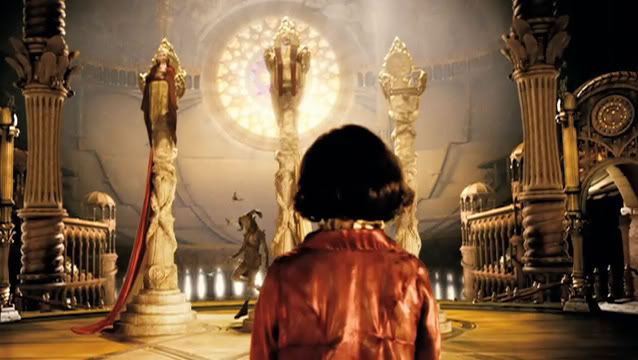
Ofelia in the Underworld
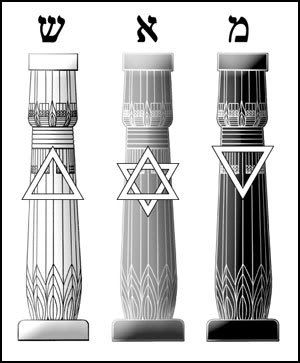
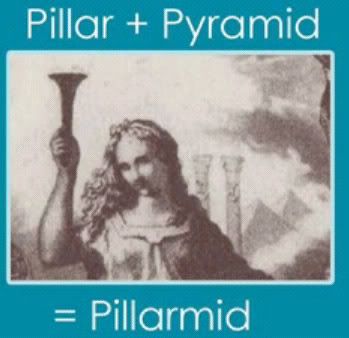
The Pillars have been connected with the Pyramids, as already mentioned, and the resulting "Pillarmid" is an interchangable motif. Most of the time only two pillars shown, representing the two pillars of Boaz and Jachin which were placed around the door the the Temple of Solomon. Manly P. Hall: "These two pillars respectively connote also the active and the passive expressions of Divine Energy, the Sun and the Moon, sulphur and salt, good and bad, light and darkness." The represent duality/opposites, but come together in a central third pillar. The Twin Towers are no longer standing, but soon they will be replaced with a single tower, combining the two into one, and having an octagonal base - the Freedom Tower.
Pillarmids
Above we can see that the Goddess is also associated with the Pillarmids, she holds a torch like the Statue of Liberty, lighting the way with knowledge. The pillarmid which Ofelia sits atop is the water pillar of Boaz connected to Capricorn, the sea-goat. The pillar is associated with the Hebrew letter mem which means water, and has a gematria value of 40, or of 600 when used as as final letter in a word. M-40 M-600. MM would be the millenial 2000 or 2K, another important synch with the 9-11 Stargate (see The Blob for clarification), but the two mem values also combine in gematria as 640. 64 is 8 times 8, 8 being the ever present octagonal-stargate and connected closely with Egyptian deity Thoth.
In an ironic twist, the Sphere sculpture at ground zero of an apparent islamic terrorist attack was intended by the architect to represent the Kaaba shrine in Mecca, the holiest place in Islam. The cubic Kaaba protects a Black Stone which fell to earth from heaven, and is supported internally by Three Pillars. Tradition holds that the black stone was originally white, but turned black from the sins of people. If you take look at the Sphere sculpture at the WTC, it looks to be a black-something with golden panels around it. It also appears to be rising out of the fountain, a excellent representation of the water-door or Stargate, and a possible representation of the Black Stone coming from heaven.
In his blog Willaim Henry, author of Revelation 2012, decodes the enigmatic architecture of the Bicentennial Capitol Mall of Nashville Tennesse. An interesting and relevant feature of the Mall layout is the World War II memorial featuring a Black sphere foating on a fountain.
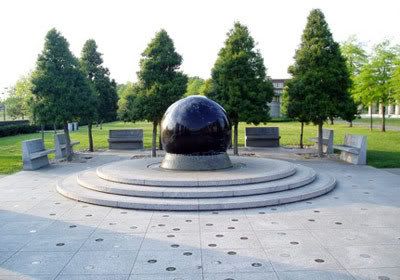
Black globe from William Henry's blog.
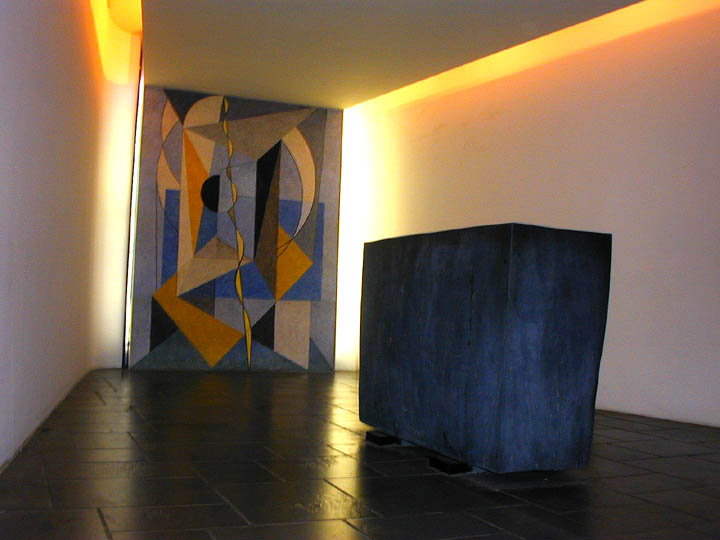
The eerie WW II Memorial temple at the Mall features an 18,161-pound black granite globe spinning on 1/8 inch of water. With the Sun shining upon its black mirror-like surface it becomes a ‘Night Sun’ or a ‘Black Sun,’ the symbol for the innermost occult circle of the Nazis.Note that the weight of the globe, 18161 is the reverse of the Golden or Divine Ratio, 1.618, a possible emphasis on the reverse or anti-sun and anti-life properties of this object. A large black stone altar even rests in the 'meditation room' at the United Nations.
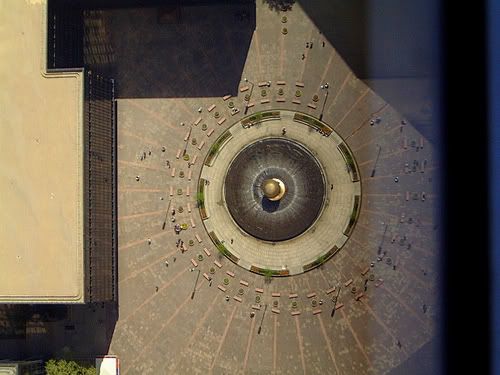
The Sphere from the World Trade complex has already been linked to the water-door-stargate theme, but if you look closely, it has 9-sided geometry. In this birds-eye-view picture, we can see the 9 trees planted along it's circumferance. This seems slightly out of place as stargate resonators usually have 6 or 8 sided geometry:
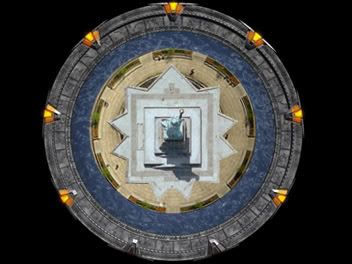
There is however, an excellent stargate example which also has 9-sided geometry; the Stargate and water-door par-excellance from the movie Stargate:
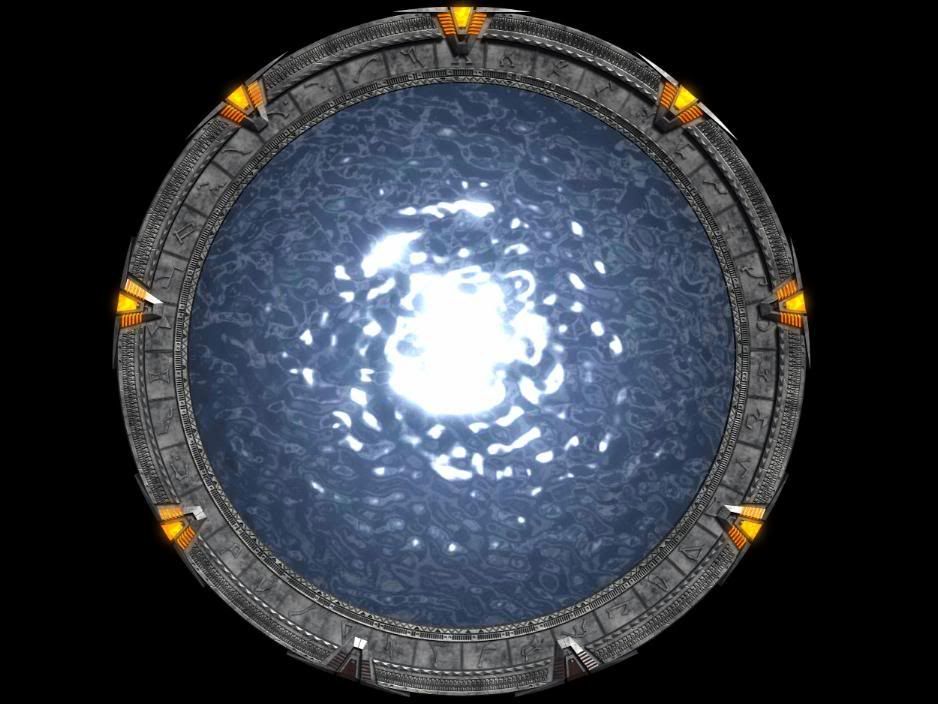
While only 7 "chevrons" are used in the movie to dial another stargate, there is room for two more to be "locked in place." In the movie Stargate, it is explained that 6-points determine the exact location of an object in space (using the 6-sides of a cube), and a 7th point charts the course. Well, in order to travel in higher dimensions, it would be necessary to have additional points, and this may be why the hyperdimensional, consciousness expanding metephor, has more than 7 locks on it.
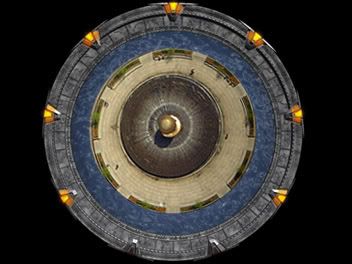
Octagonal geometry can also be equated with 9-point geometry such as in the ennegram. It has 8 points along the edge with a 9th point in the center. A cube has eight corners around a ninth central point. Using the picture below, we can relate all 8-point geometry to the 9-point ennead and the stargate from the movie Stargate.
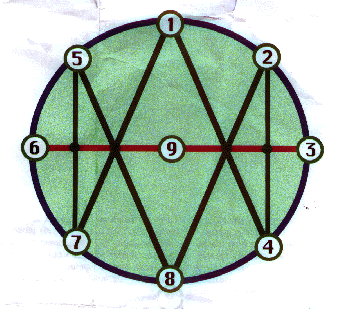
Interestingly, I've already mention The Nine in my article New Religion Ch.7 where Andreja Puharich helped Uri Gellar channel the Grand Ennead, or 9 creation gods of Egypt, which told of a yet to occur mass landing of spaceships. Puharich has been connected to the 9-11 Stargate ritual by his theory that the priests of Egypt used sacred mushrooms in the Great Pyramid to realize another level of consciousness. If that's true, then the pyramid and now pillarmids have a long history of consciousness expanding stargate themes.
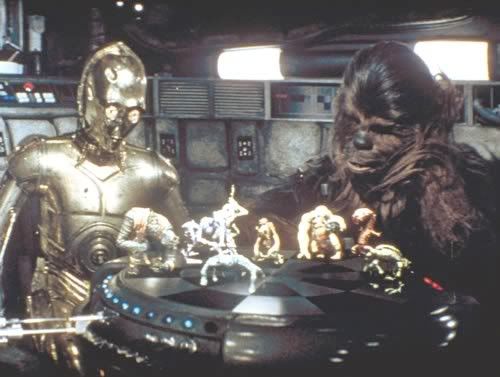
Take a look back at the birds-eye shot of the Sphere fountain. Around it is a spiral of pairs of benches which spiral inward towards the fountain, crossed with many lines radiating away from the center. Together these create a nice stargate theme centered on the already heavily stargate resonating fountain. The lines radiating from the center remind me of the circular grid with a holographic twist from Star Wars:
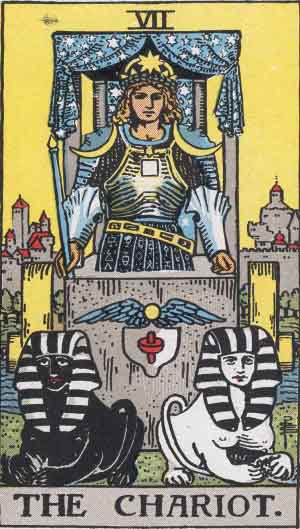
The Black and White and checkered theme also heavily informs the 9-11 Stargate Mega Ritual. Black and white images appear on the High Priestess and Chariot cards of the Tarot, as well as the checkered floor patter on Masonic tracing boards and main hall of Masonic lodges. The checkered pattern usually appears in movies with heavy synchromystic themes as checkered floor tiles or on checkered taxi cabs (checkered chariots).
Albert Pike stated in Morals and Dogma: "The Ancients adored the Sun under the form of a black stone, called Elagabalus, or Heliogabulua. The faithful are promised, in the Apocalypse, a white stone."
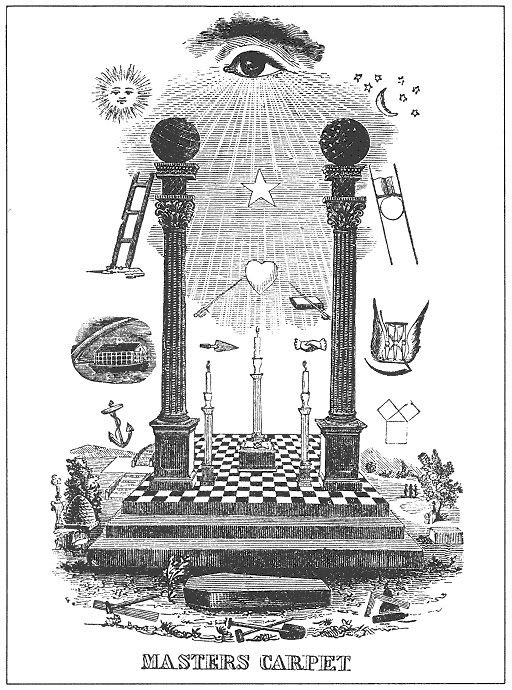
The "sixty-four dispersed stones" which form a "perfect cube" must be a crucial part of this mystery. There are sixty-four squares on a chessboard, and a perfect sixty-four-square chessboard is formed by the black and white tiles on the floor of the church at Rennes-le-Chateau, facing both the statue of the demon Asmodeus, and the statue of Saint Germain as if they were opposing players in a game of chess. 64 squares = 8x8In traditional, non-holographic chess:
That there are sixty-four possibilities is fitting, since there are sixty-four six-part "codons", or "genetic words" in human DNA. There are also, notably, sixty-four hexagrams in the Chinese divination system known as I-Ching (which is often displayed as a octagon).
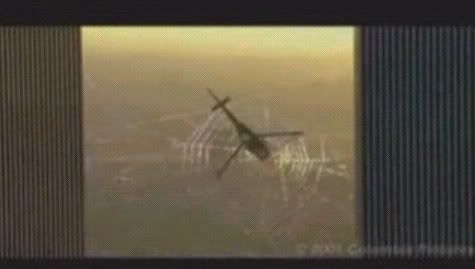
"The king, the most important piece, represents the Sun of this solar system... traveling only one step at a time, along both square and triangular lines, in any of eight directions. The king is virtually hidden from the action, yet the entire game revolves around it...The queen is the most powerful piece on the board, having unlimited movement in any of eight directions of manifestation... In another sense she is Regina Coeli, Queen of the Heavens, the widely traveling moon which always reflects the light of the Sun, the king."I want to draw your attention to the unaired trailer for Spiderman which featured a helecopter caught in a web. Both items are heavy on the synchro-scale, the web being a stargate stand in, but also connected to the spiral labyrinth as I hope to show. This picture is from one of Jake Kotze's videos, the web is directly above the radial pattern around the Sphere sculpture and connects the two towers in the same way:
The relationships between the pieces on the chessboard form "...lines of force composing an energy web", like the web of the spider goddess Arachne, whose eight legs can be likened to the eight directions on a chessboard, as well as the eight squares that are on each side of the chessboard’s outer ring. (Quoted from Le Serpent Rouge Interpreted, by Tracy Twyman)
Below is pictured a depiction of the labyrinth with the hero Theseus battling the Minotaur. On the right is Ariadne who helped Theseus find his way out with a thread she provided. She was then abondoned by him on the island Dia/Naxos, the sacred "Island of the Goddess." (But that's ok, she eventually became the consort of Dionysus.)
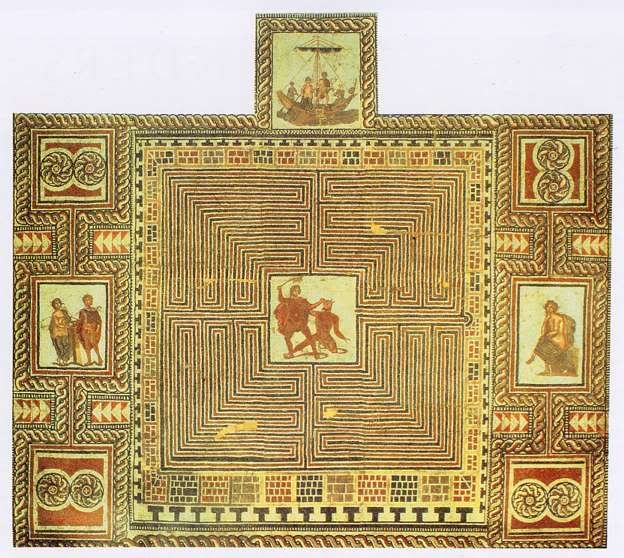
In Greek mythology, the Labyrinth was an elaborate structure designed and built by the legendary artificer Daedalus for King Minos of Crete at Knossos. Its function was to hold the Minotaur, a creature that was half man and half bull and which was eventually killed by the Athenian hero Theseus. Daedalus had made the Labyrinth so cunningly that he himself could barely escape it after he built it. Theseus was aided by Ariadne, who provided him with a fateful thread, literally the "clew," or "clue," to wind his way back again.Before moving on, notice the top-down view of the labyrinth could also be a top-down view of a 13 story pyramid with a missing capstone.
According to one version of the legend, Minos attacked Athens after his son was killed there. The Athenians asked for terms, and were required to sacrifice seven young men and seven maidens every nine years to the Minotaur. One year, the sacrificial party included Theseus, a young man who volunteered to come and kill the Minotaur. Ariadne fell in love at the first sight of him, and helped him by giving him a sword and a ball of the red fleece thread she was spinning, so that he could find his way out of the Minotaur's labyrinth.
That the Cretan labyrinth had been a dancing-ground and was made for Ariadne rather than for Minos was remembered by Homer in Iliad xviii.590-593 where, in the pattern that Hephaestus inscribed on Achilles' shield, one incident pictured was a dancing-ground "like the one that Daedalus designed in the spacious town of Knossos for Ariadne of the lovely locks". Even the labyrinth dance was depicted on the shield, where "youths and marriageable maidens (young virgin/lolitas?) were dancing on it with their hands on one another's wrists... circling as smoothly on their accomplished feet as the wheel of a potter...and there they ran in lines to meet each other."
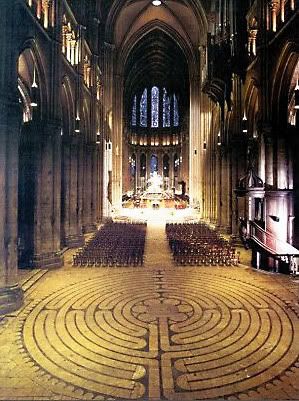
At one level, the labyrinth symbolizes the female womb, only penetrable if one is pure and perfect. The male figure outside, representing the human seed, can penetrate the womb, fertilize the ovum, produce new life, which then emerges as a new birth or a reincarnated existence. Entry into the labyrinth gives new life... thus achieving reincarnation and eternal life.Prehistoric labyrinths are believed to have served either as traps for malevolent spirits or as defined paths for ritual dances. During Medieval times the labyrinth symbolized a hard path to the God with a clearly defined center (God) and one entrance (birth). The new Cathedral labyrinth patterns were all laid out according to the same basic pattern twelve rings that enclose a meandering path which slowly leads to a center rosette. (12 around 1 theme) The labyrinth is located in the nave of the Cathedral. Aleister Crowley insisted that his student magicians construct their altars with two perfect cubes stacked atop one another, “symbolizing the Great Work... The height of the altar is equal to the height above the ground of the navel of the magician. The altar is connected with the Ark of the Covenant, Noah’s Ark, the nave (navis, a ship) of the Church, and many other symbols of antiquity.”
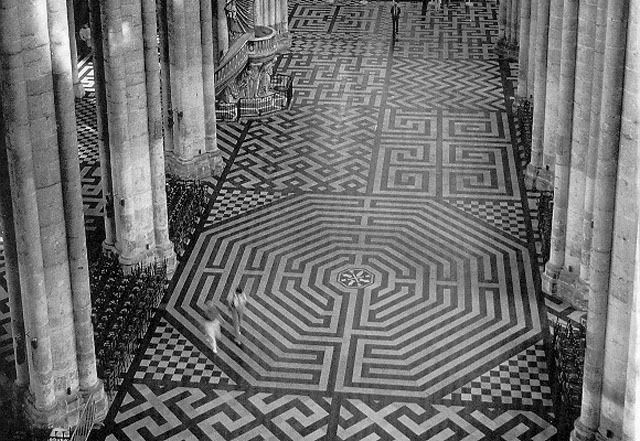
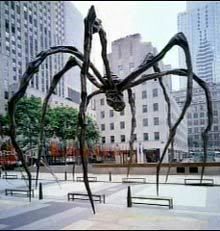
The thread of Ariadne and her practice of spinning thread is an ancient motif associated with weaving baskets and creating textiles and using a spinning wheel. The word spider comes from a word which means to spin as in to weave fibers. The Rockefeller Center in New York has a freaky giant spider sculpture:
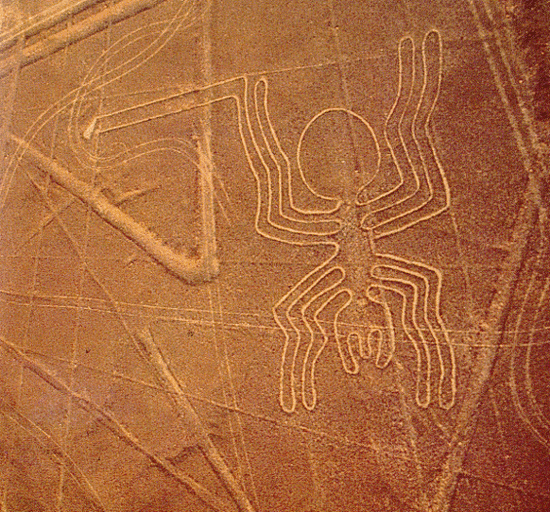
Speaking of spiders, I was reminded of the Nazca lines while watching Indian Jones and the Kingdom of the Crystal Skull today, where one of the geoglyphs is a spider. The gigantic drawings are made by scraping away the rusty top layer of dirt and rock to expose the lighter colored soil underneath. Most designs seem to have an entrance and exit, making them uniquely shaped labyrinths, probably used as a form of worship much like the labyrinths in gothic cathedrals.
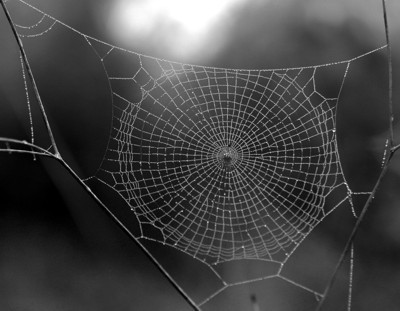
The most recognizable black spider in real life is the Black Widow. The Widow theme is quite important in Freemasonry (Widow's Son) and in movies where many many characters have a widowed mother. The Black Widow has on it's abdomen a Saturnian symbol of the Hourglass. Push the two triangular ends together and you get the saturnian symbol of the hexagram.
The Siddir in Danish society were witches who practiced the art of knot tying and loosening. These Siddir were directly related to the mythic Norns, the Mori or Fates who were said to be responsible for the fate of mankind by the patterns that they wove in the way that they tied and loosened the knots of the Web of Wyrd. The six pointed Gallic rune, similar to the Norse rune Haegl would originally have been eight spoked, like the Buddhist Wheel of Life or the Tarot’s Wheel of Fortune. In this guise it is the Web of Arachne, the Web of Fate and the plan view of the ribbons of the Maypole dance. The Goddesses of death and the underworld are again prominent here (in the transcendent sense, as with Persephone, but one also remembers Mithras and the World Bull or Minotaur of Theseus). The tomb of Marie de Blanchefort, which in its inscription reveals the coded words “Et in Arcadia Ego”, also has the figure of an octopus etched down at the bottom. The octopus is, according to Priory of Sion member Paul Le Cour, a solar symbol used in Atlantis. It also contains the same symbolism as Arachne, the spider goddess, in regards to the number eight and the chessboard. Arachne was a very skilled weaver who shamed herself in a contest and hung herself, then was later resurrected as a spider and her rope turned into a spiderweb. In Ancient Egypt, the spider was associated with the goddess Neith in her aspect as spinner and weaver of destiny, this link continuing later though the Babylonian Ishtar and Greek Athena. Fates Spinning yarn of fate on spinning wheel. Terrance McKenna (click for short video) notes how we say one is "weaving" a tale, or that there's a "web of lies." The language of weaving is used as a metephor for human cognitive activity. He calls hemp the LSD of the past, like when hash societies got together in Paris. This makes hemp and weaving a stargate resonator with other 'consciousness expanding' activities/events.
In the movie Labyrinth, David Bowie plays the Goblin King, "Jareth," whose castle is located in the Goblin City in the center of the labyrinth. He steals Jennifer Connelly's ("Sarah's") baby brother when she wishes him away, and he gives Sarah a time within which she could save her brother if she can successfully navigate the labyrinth. In one scene Jareth tries to distract Sarah with a magical dance which is now clearly associated with labyrinths. Also, the gate to the goblin city is guarded by a goblin weilding a large labrys or double-bladed axe. Sarah also frees a kind of hairy Minotaur-looking creature who was hung upside down in the labyrinth.
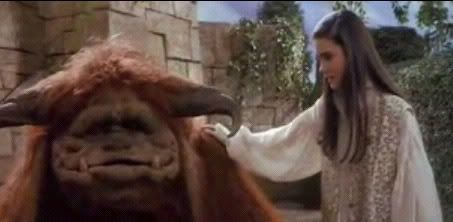
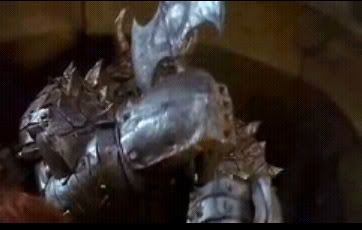
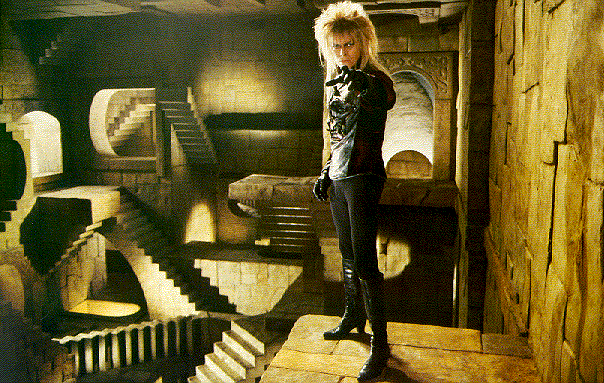
I think in this movie Bowie plays the part of Pan, the seducer of the virgin princess, and also the minotaur as Bowie seems to be the prisoner of the labyrinth as well. He is human, despite being the goblin king, and he kidnaps a human child who would presumably become his heir; another prisoner/king in the center of the labyrinth. And its no suprise a young girl is suckered into the labyrinth as it traditionally required virgin sacrifice to appease the beast in the center. Puppeteer Frank Oz also worked on the movie, as well as on Dark Crystal which was the basis for the world of Labyrinth. In Dark Crystal in a world with 3 suns, a crystal is broken resulting in the splitting of a race into 2 races, one good and one bad. Typical black vs. white, good vs. evil stuff. M.C. Esher's multidimensional Relativity makes an appearance as a poster in Sarah's room as well as a location in the Goblin King's castle.
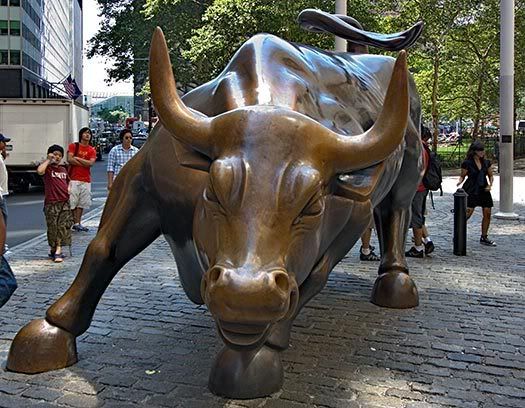
As the name suggests, the Minotaur is a Bull-like creature, the result of intercourse between the wife of King Minos and a bull (Mino-Taurus). The island of Manhattan, ground zero for the 9-11 Stargate, actually has a giant bull located in the oldest park in the city:
The "Charging Bull" sculpture which faces up Broadway in NYC's financial district has become the unofficial symbol of Wall Street and may be the most photographed work of public art in the city. The 7,000 pound bronze sculpture by Arturo Di Modica began life as "guerrilla art".
Arturo Di Modica created the piece with no commission or permission and installed it in front of the New York Stock Exchange on December 15, 1989. The illegal sculpture was seized and imponded till public outcry encouraged the New York City Department of Parks and Recreation to re-install it in the Plaza at Bowling Green. The sculpture is said to provide good financial luck to both stock traiders and tourists who keep parts of the artwork well polished with constant rubbing.
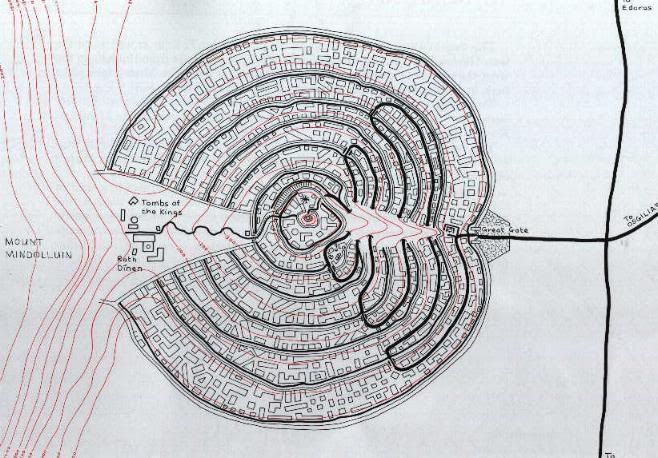
Michael, in the comments, suggested a possible link between Minos-Taur and Minas-Tirith (from Lord of the Rings). Here's a picture of Minas Tirith looking quite labyrinth like from a birds eye view:
Another sculpture which is much more visible also relates to the labyrinth theme I think. Like Ariadne abondoned to an island, the Statue of Liberty stands alone on her island, holding a guiding light possibly related to the idea of Ariadne's thread which reveals the path through the labyrinth.
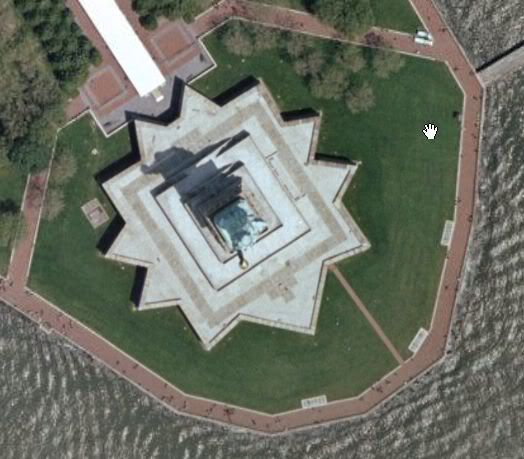
The statue is made of copper, a metal with an atomic weight of 64 (8 x 8). In alchemy, copper is related to the element Earth, and to conjunction, the marriage of opposites: the King and Queen, Sol and Luna, white and black. There's an interesting article at Red Ice Creations which mentions copper, here's an excerpt:
The word for 'snake' in Hebrew is 'nakhash', whose root has multiple definitions. ; As noted by Zecharia Sitchin in 'The Cosmic Code' (1998) , 'the term has not just the two meanings that we have already mentioned ('Serpent,' and 'knower of Secrets') but also a third one - 'He of Copper,' for the Hebrew word for copper, Nechoshet, stems from the same root. One of Enki's epithets in Sumerian, BUZUR, also has the double meaning 'He who knows/solves secrets' and 'He of the copper mines.' It is widely believed that Enki became known as Thoth in Ancient Egypt, and later as Hermes in Greece and Mercury in RomeNot sure what it means... In one theory of the life of Jesus, his adopted father Joseph is a copper salseman, not a carptenter, and travels to Britain where there were rich copper mines. The serpent worshipping druids would have influenced Jesus at a young age. Anyways it's interesting that Enki/Thoth could be known as "He of the copper mines." Moses set up a brazen serpent (copper+zinc) which healed all who looked upon it.
"And as Moses lifted up the serpent in the wilderness, even so must the Son of man be lifted up: That whosoever believeth in him should not perish, but have eternal life." - John 3:14.The Statue of Liberty has an odd base consisting of eleven corners. Combined with the stargate/spiderweb/circular labyrinth resonator and it's nine points, we get 9-11:
The Island of Manhattan has been linked to ancient Egypt, especially the area of the Sphinx and large Pyramids. It should then be no suprise that this same area was also host to a impressive labyrinth complex which was both above and below ground, and used in initiatory rituals and for religious purposes.
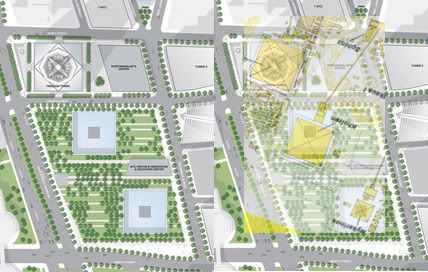
Pliny's Natural History mentions four ancient labyrinths: the Cretan labyrinth, an "Egyptian labyrinth", a "Lemnian labyrinth" and an "Italian labyrinth".The Island of Manhattan and the World Trade Center continue to reaffirm their connections to Egypt, this time through the mystical labyrinth. The site for the Twin Towers is being redone with a single tower, dubbed the Freedom Tower, and two reflecting pools in place of the Twin Towers. These three spots form an inexact, but slightly reminiscent overhead view of the Pyramid layout:
Pliny's "Egyptian labyrinth" -- Even more generally, "labyrinth" might be applied to any extremely complicated maze-like structure. Herodotus, in Book II of his Histories, describes as a "labyrinth" a building complex in Egypt, "near the place called the City of Crocodiles," that he considered to surpass the pyramids in its astonishing ambition:
It has twelve covered courts - six in a row facing north, six south - the gates of the one range exactly fronting the gates of the other. Inside, the building is of two stories and contains three thousand rooms, of which half are underground, and the other half directly above them. I was taken through the rooms in the upper storey, so what I shall say of them is from my own observation, but the underground ones I can speak of only from report, because the Egyptians in charge refused to let me see them, as they contain the tombs of the kings who built the labyrinth, and also the tombs of the sacred crocodiles. The upper rooms, on the contrary, I did actually see, and it is hard to believe that they are the work of men; the baffling and intricate passages from room to room and from court to court were an endless wonder to me, as we passed from a courtyard into rooms, from rooms into galleries, from galleries into more rooms and thence into yet more courtyards. The roof of every chamber, courtyard, and gallery is, like the walls, of stone. The walls are covered with carved figures, and each court is exquisitely built of white marble and surrounded by a colonnade. Near the corner where the labyrinth ends, there is a pyramid, two hundred and forty feet in height, with great carved figures of animals on it and an underground passage by which it can be entered. I was told very credibly that underground chambers and passages connected this pyramid with the pyramids at Memphis (Giza).